Before you begin
Choose a reference photo that is easier to draw
By Draw AI journal · · 3 min read
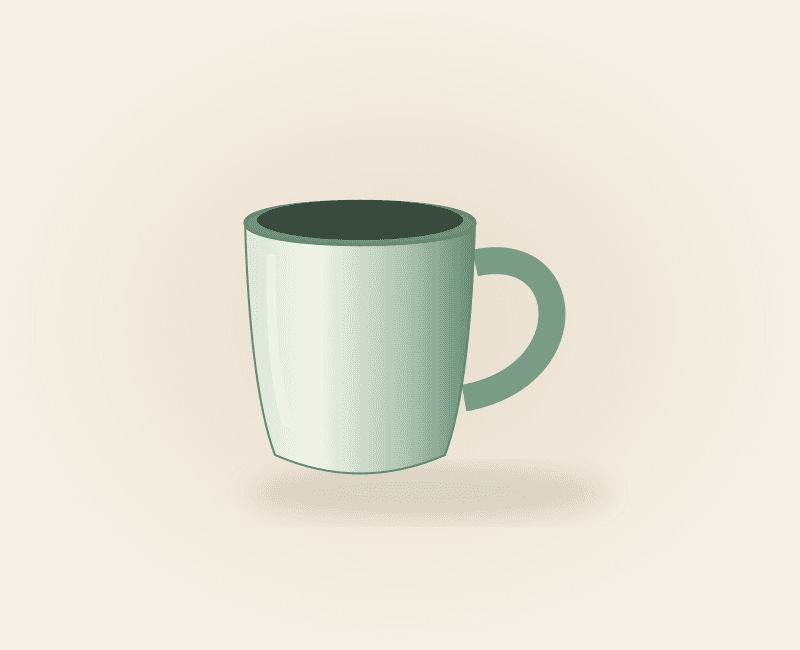
Illustration from our curated sample lesson.
You can learn from almost any subject, but some references give you fewer problems to solve at once. If you are starting out, choose a photo that helps you see the structure. A familiar object with a clear outline is a good place to begin.
Give yourself one main subject
Try a cup, a piece of fruit, a plant pot or a simple household object. Look for an outline you can follow without having to untangle lots of overlapping things. A quiet background makes it easier to separate the subject from everything around it.
A busy photograph can still become a useful reference. Crop away distracting objects and leave a little space around the shape you want to draw. Avoid cutting off important edges unless that crop is a deliberate part of your composition.
Look for light you can understand
A subject lit from one side often has a readable light side, shadow side and cast shadow. Those broad groups can help you describe volume. A nearby window can provide this kind of light without special equipment.
Very flat lighting can hide the form, while several competing lights can make the shadows harder to interpret. When choosing between photos, pick the one whose large areas of light and dark you can describe in a sentence.
Check the image before you upload
Zoom in enough to check that the edges are in focus. You do not need to count every texture, but you should be able to see the main contours clearly. A very small or blurry image leaves you guessing about shapes.
Draw AI accepts JPEG, PNG and WebP references up to 12 MB. The studio lets you crop and rotate before submitting a personal lesson. Use a photo you own or have permission to use, and avoid uploading private information you do not need for your drawing.
Keep the same viewpoint while practising
Once you start, use one reference throughout the exercise. Moving between photos taken from different angles can change the visible proportions and make comparisons confusing.
Make a quick thumbnail before a full drawing: mark the silhouette and two or three shadow shapes. If that small study is readable, you have a clear starting point. Personal AI lessons depend on generation being enabled; the curated sample is always available for practice.